
Coding with Claude code and LLMs: What I've learned after 3 months
Published over 1 year ago
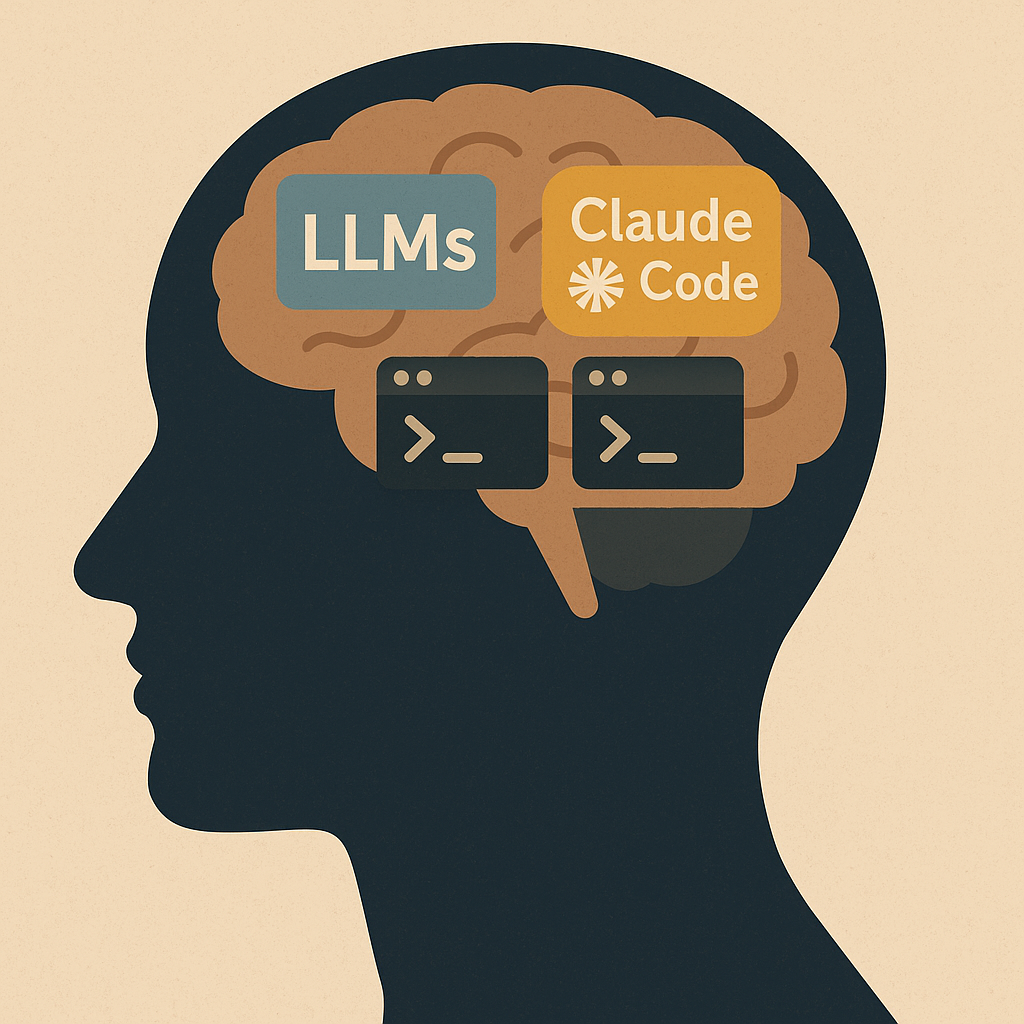
For the past three months, I've worked daily with Claude Code and most major LLMs. If you've used them, you know one thing: they don't have the full context of your codebase. This means you often need to feed them long, detailed prompts just to get the basics done.
Claude Code is different. It can see your entire repo, which changes everything. I've found that 90% of the time, it gets the job done with minimal help. The other 10%? It confidently gives you the wrong answer. But you can usually guide it back on track if you know what you're doing.
That's where experience kicks in. I started coding back in 2012. Looking back, if I had today's AI tools then, I'd have shipped a lot more features. But I would've missed something important: training my brain to spot bugs, edge cases, and bad logic just by reading the code. That kind of intuition only comes with time and effort.
Now, I mostly use LLMs as assistants. I catch what they miss. I guide them, correct them. But here's my one worry: if we rely too much on these tools, our minds will dull. We'll lose that sharpness that comes from struggling through hard problems.
Can LLMs replace developers? Not in this lifetime, not with the way they work today. As Yann LeCun explained in this talk, scaling LLMs isn't enough to reach general intelligence. We're not close to real understanding.
So yes, use the tools. But don't stop thinking.
Related articles

My experience with arrogant developers
A reflection on developer culture, code consistency, and the damage caused by ego-driven decisions in software teams.

The luxury of letting ideas marinate
This post explores the power of letting ideas sit. It reflects on how having time, space, and a clear mind can lead to better solutions , especially in engineering and research. It contrasts rushed patches with well-thought-out fixes that emerge when pressure is low and the mind is calm.

I asked AI about the future of AI (Yes, AI-ception)
I wanted to know: where is AI going in the next 10+ years? Is diving deeper into large language models (LLMs) in 2025 still a good bet for developers like me? What jobs will rise? What skills will matter?